
legal high
China opens exhibition to preserve, bring linguistic diversity to life_我的网站

一 |
5月7日,普京在克里姆林宫举行俄罗斯第八届总统就职仪式,正式开启普京“5.0”时代。 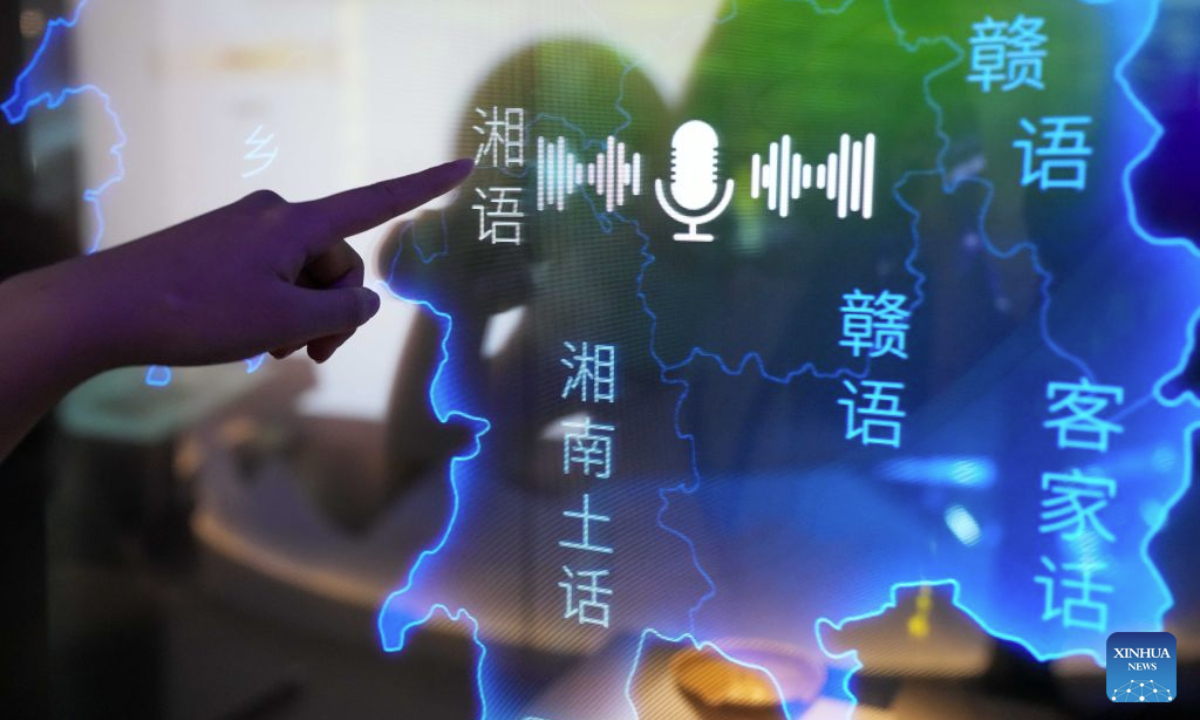
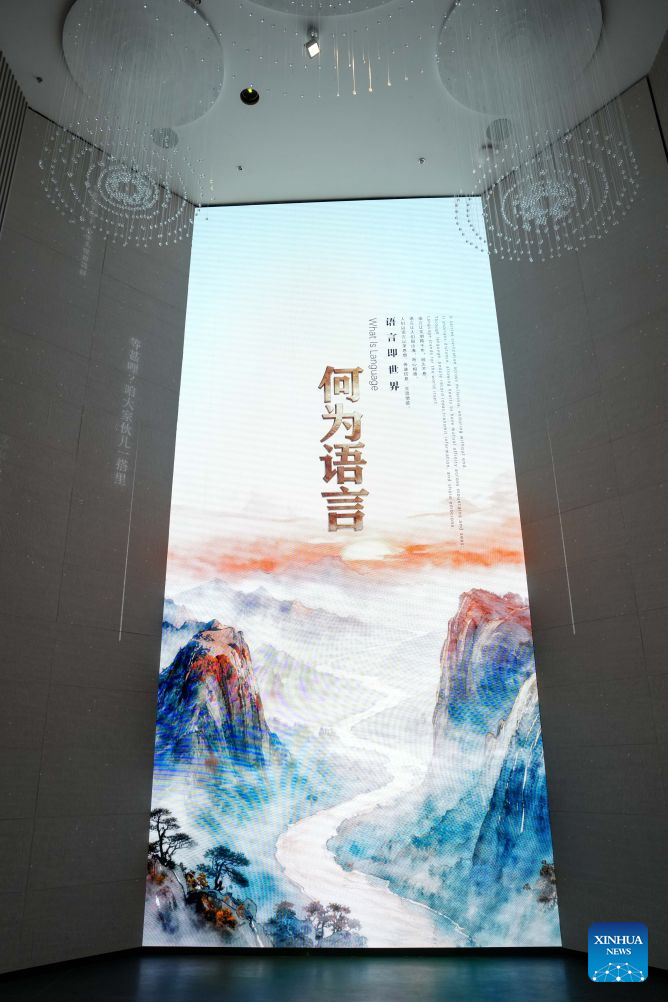
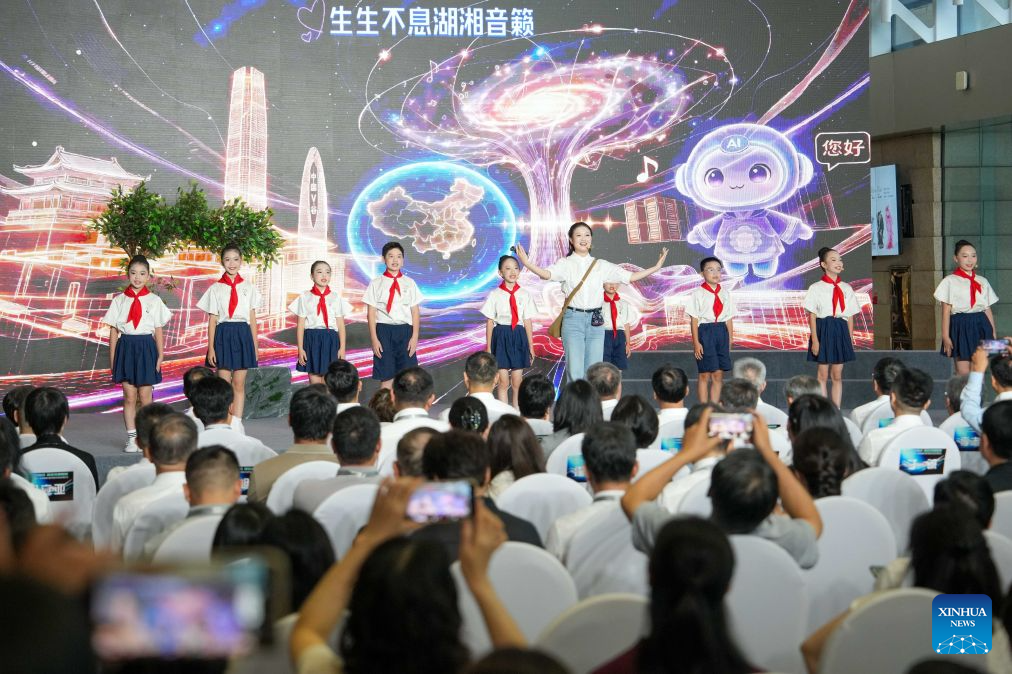
The Exhibition Hall of the Project for the Protection of Language Resources of China opened Monday in Changsha, capital of central China's Hunan Province, bringing decade-long efforts to document languages and dialects to the public through digital and interactive displays.
Located in the Hunan Museum, the exhibition brings together recordings and other language materials collected from more than 1,800 field survey sites across China. More than 30 language-related cultural relics are also on display.
The recordings represent 10 major Chinese dialects and more than 100 ethnic minority languages, including Mongolian, Tibetan, Uygur and Zhuang, said Chen Xuliang, deputy Party secretary of the Hunan Museum.
"Digital technology is helping bring the results of language preservation research out of databases and into public cultural spaces," he said.
The exhibition draws on materials collected through a national language preservation project launched in 2015 to document and preserve the country's diverse languages and dialects. It is the world's largest project of its kind, according to experts.
Over the past decade, researchers have traveled to remote mountain villages and pastoral areas to find native speakers of different ages. They systematically recorded words, grammatical examples, oral traditions and other language materials, turning oral memories at risk of disappearing in digital records that can be preserved for generations.
The work has become increasingly urgent as the number of native speakers of some languages declines.
China is home to more than 100 languages and numerous dialects. Some languages, including Hezhen and Manchu, now have fewer than 100 speakers.
Economic integration, population mobility and the social changes they bring are making it increasingly difficult to preserve languages and cultural traditions around the world, said Wang Lining, a professor at Beijing Normal University's School of Chinese Language and Literature and a participant in the language preservation project.
Many languages lack well-developed writing systems, Wang said, meaning knowledge and memories passed down orally can be lost when their speakers die.
The new exhibition aims to bring such preservation work closer to the public. It also promotes the principles of the "Yuelu Proclamation," which was officially released in 2019 and described as UNESCO's first permanent document themed on the protection of linguistic diversity.
Experts attending the exhibition's opening said a key challenge is how to use artificial intelligence and digital museum technologies to turn vast collections of field recordings into cultural experiences the public can engage with.
For Wang, documenting endangered languages is only the beginning.
"In the past, the focus was on recording endangered languages and preserving samples of their voices," she said. "In the future, preservation needs to move toward keeping languages alive."
The exhibition hall, Wang said, is part of that shift, taking language resources beyond academic research and bringing them closer to everyday life.

。
The Exhibition Hall of the Project for the Protection of Language Resources of China opened Monday in Changsha, capital of central China's Hunan Province, bringing decade-long efforts to document languages and dialects to the public through digital and interactive displays.
Located in the Hunan Museum, the exhibition brings together recordings and other language materials collected from more than 1,800 field survey sites across China. More than 30 language-related cultural relics are also on display.
The recordings represent 10 major Chinese dialects and more than 100 ethnic minority languages, including Mongolian, Tibetan, Uygur and Zhuang, said Chen Xuliang, deputy Party secretary of the Hunan Museum.
"Digital technology is helping bring the results of language preservation research out of databases and into public cultural spaces," he said.
The exhibition draws on materials collected through a national language preservation project launched in 2015 to document and preserve the country's diverse languages and dialects. It is the world's largest project of its kind, according to experts.
Over the past decade, researchers have traveled to remote mountain villages and pastoral areas to find native speakers of different ages. They systematically recorded words, grammatical examples, oral traditions and other language materials, turning oral memories at risk of disappearing in digital records that can be preserved for generations.
The work has become increasingly urgent as the number of native speakers of some languages declines.
China is home to more than 100 languages and numerous dialects. Some languages, including Hezhen and Manchu, now have fewer than 100 speakers.
Economic integration, population mobility and the social changes they bring are making it increasingly difficult to preserve languages and cultural traditions around the world, said Wang Lining, a professor at Beijing Normal University's School of Chinese Language and Literature and a participant in the language preservation project.
Many languages lack well-developed writing systems, Wang said, meaning knowledge and memories passed down orally can be lost when their speakers die.
The new exhibition aims to bring such preservation work closer to the public. It also promotes the principles of the "Yuelu Proclamation," which was officially released in 2019 and described as UNESCO's first permanent document themed on the protection of linguistic diversity.
Experts attending the exhibition's opening said a key challenge is how to use artificial intelligence and digital museum technologies to turn vast collections of field recordings into cultural experiences the public can engage with.
For Wang, documenting endangered languages is only the beginning.
"In the past, the focus was on recording endangered languages and preserving samples of their voices," she said. "In the future, preservation needs to move toward keeping languages alive."
The exhibition hall, Wang said, is part of that shift, taking language resources beyond academic research and bringing them closer to everyday life.
。
一周后的今天,中俄同时宣布,普京将于5月16日至17日对中国进行国事访问。

二 |
5月14日,普京的总统座驾已经提前运抵哈尔滨太平机场,预计普京将参加中俄博览会与中俄合作论坛开幕式。
大国的外交首访,是一个非常重要的外交信号,是一个国家和领导集团向国际和国内各股政治力量,展示自己本届任期的首要外交目标。
按照惯例,为了外交上的平衡与缓冲空间,大国往往不会明确态度,而是选择周围关系密切的小国。
譬如美国总统最常选择的是墨西哥与加拿大,俄罗斯青睐于原独联体国家,我们最近两次都给了东盟。
而一旦将“首次”献给了另一个大国,则是向全球明确表态,将明确站队,并对外交策略进行颠覆性的调整。
我们可以从中国历史上的四次首访,感受这种调整对世界政治格局带来的颠覆性巨变:
49年建国后,毛主席第一时间访问苏联,随后两国签署盟约,中国全面倒向社会主义阵营。
78年十一届三中全会后,小平同志第一时间出访美国,随后中美两国签署一系列的合作协议,中美进入蜜月期。
97年十五大召开后,江总书记第一时间访问美国,随后发表《中美联合声明》,两国迅速再次破冰,中国加速进入WTO融入全球化。
13年全国两会召开后,国家主席第一时间访问俄罗斯,签署了一系列的协议,推动中俄全面战略协议伙伴关系发展。
可以说,每一次中国公开亮明身份,都标志着全球秩序的大洗牌。
同样,对于另一个超级大国也是如此,普京一旦调整了首访,也象征着俄罗斯外交思路的转变,全球的地缘政治格局也将随之影响。
2018的普京4.0时代,他上任后打破出访破例,将首访设定为西方阵营的奥地利,目的是趁着中美贸易战和好基友特朗普上台,向世界展现本届俄罗斯政府欲重新融入欧洲。

三 |
进入5.0时代,普京又一次打破自俄国成立以来的惯例,将首访设定为同为安理会五常的中国,也是在向全球宣布自己接下来6年任期的外交重心就是神秘的东方。
值得关注的是,今年我们跟普京已经敲定的会面有很多,近的有6月阿斯塔纳的上合峰会,远的有10月喀山的金砖峰会。
如此奋力,也许是因为下个月,俄乌的外交谈判就要进入赛点,留给普京与泽连斯基的时间不多了。

四 |
6月中旬,全球100多个国家元首将齐聚瑞士,召开和平大会,7月-8月,将在巴黎召开奥运会,除俄罗斯和叙利亚外,118个国家签署了奥运停战协议。
值此关键时刻,俄罗斯不仅要在军事战场上大秀武力,也需要在外交战场上获得强力盟友的支持。
据悉,花费了颇多心思的普京赴京时将会携带很多礼物,其中有一本尼古拉·车尔尼雪夫斯基的《怎么办》。
小说描绘一位少女爱上了丈夫的好友,最终在丈夫远遁美国的成全下,少女跟丈夫的好友喜结连理。
该书出版于建国后的第四年,入馆登记日期为下个月的15号。
Current article:http://ejw.chuandanfozhuanbenglipaicuzi.pics/at7/20260826/4014.html
Published on:12:37:43
相关新闻
- 日本第一位女首相上任,“二手周边”卖疯了?
- iCAR 03/03 T更名?奇瑞X3/X3 PLUS/X3L申报图曝光
- 【萌娃赶大集,欢乐迎新年】西安市鄠邑区玉立芳华幼儿园迎新年亲子游园会
- 震动整个AI圈!奥尔特曼承认,OpenAI发生重大安全事件:AI突破人类限制,自己发起网络攻击!中国大模型成取证关键
- 特斯拉公布新专利,从源头解决前置摄像头起雾问题
- 只差27场!只差29断!只差76助!詹姆斯将连破3大神迹,真要被做到了
- 女游客拒绝男子搭讪遭辱骂 警方:行政拘留十日
- Rashmika Mandanna and Director Anudeep KV to Collaborate?
- 来回推脱,要求我们上传这个那个最后都不给受理
- 【现货】8月26日全国菜粕现货价格汇总
最后更新
- 限时一口价为16.29万起/共推出4款配置 2025款飞凡F7正式上市
- Israelis abroad desperately try to head home to join military units, or just to help
- 交通运输部:推进交通基础设施更新和数智化改造,大力发展智慧交通
- 沃特森加盟骑士 名记:他让骑士首发阵容得到升级
- 欧盟批准61亿欧元对乌克兰军援,用于采购乌急需的导弹防御系统、弹药和雷达
- 商务部:今年前7个月,我国自150多个贸易伙伴的进口实现正增长
- 恩里克:我们像备战利物浦一样备战阿森纳,巴黎定位球水平也很高
- 省级项目下月开工!投资1224万元,淄博这三个村将有大变化
- आरा की पुलिस इंस्पेक्टर पूनम पांडेय के बेटे का शव कमरे से बरामद, छानबीन में जुटी पुलिस
- 《牛来》持续突破!票房已达5000万 豆瓣6.0及格神作
热门新闻
- 火媒:火箭揭幕战首发基本敲定 仅范弗里特存变数
- 开机启动时间,国家广电总局明确了!
- 暑期出境游带哪张卡?招商银行Visa全币种国际信用卡多重返现与汇率补贴详解
- 大学生每月生活费多少才算“够”被挤上热搜 网友热议:2000元是起步
- How Taliban Stormed Across Afghanistan, Smashing NATO-Trained Army in Ten Days
- Decomposed bodies found in Pakistan hospital
- 小米推出“米家空调巨省电立式 5 匹一级能效”,7999 元
- 福州鼓楼区安泰街道打造“红汇八匚”楼宇党建工作品牌
- 区六届人大常委会召开第二十一次会议
- 「えっ」「すっぴん?」 41歳・松本若菜、美肌アップにネット騒然「美人すぎる」「か、かわいい!!」